The New Mont Blanc Museum in Chamonix

Opened in July 2026, the new Mont Blanc Museum in Chamonix—the largest museum in France entirely dedicated to mountain culture—definitively establishes the destination as a leading Alpine hub.
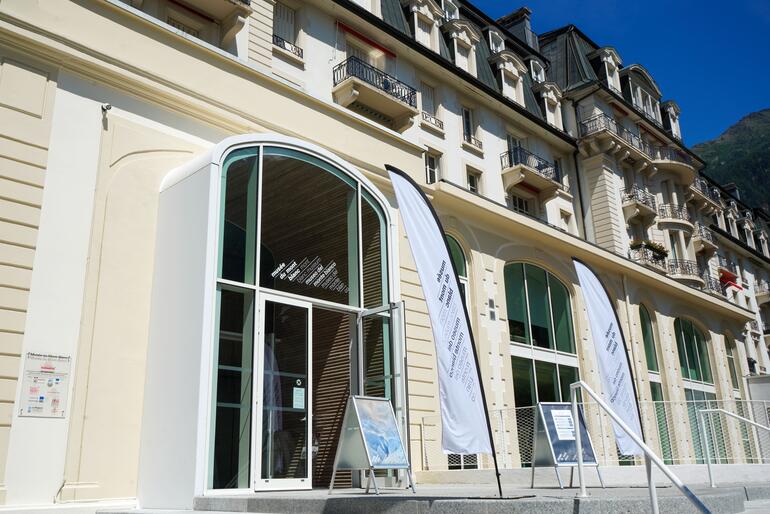
Initiated in 1898 by Joseph Cusin-Berlincourt, a collection of 72 objects and works of art related to the valley’s history was donated to the town of Chamonix in 1920. The first municipal museum, the “Alpin et du Mont-Blanc,” opened in 1926 and grew over the years.
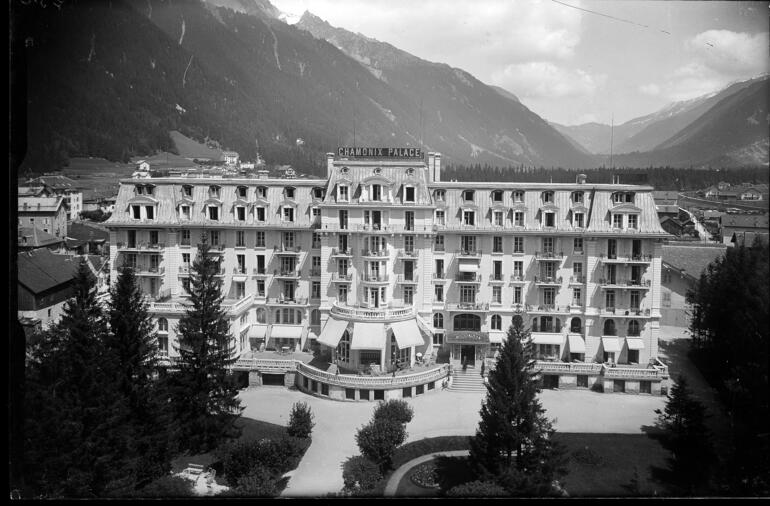
Housed since 1969 in the magnificent building of the former Chamonix Palace, the creation of the new museum was a major challenge, brilliantly met by Guillaume Girod, the architect in charge of the project, who worked under the watchful eye of the Architectes des Bâtiments de France.
The transformation involved restoring the exterior façade to its former glory by reconstructing the original rotunda, relocating the entrance to the Arve side, and redesigning the museum’s surroundings to clarify access points. The interior recaptures the grandeur of a Belle Époque palace, unveiling a doubled exhibition space of 1,200 m² spread over two levels, a new reception area, a gift shop, and three thematic exhibits exploring the connection between people and the mountains in the Mont Blanc region:
“Adaptations , ” a narrative of the transformation of a pastoral valley into a tourist hub;
“Exploits,” which immerses visitors in the story of the conquest of the high mountains;
“Landscapes,” artistic perspectives on Alpine landscapes, including, among others, majestic paintings by Gabriel Loppé (1825–1913), the first painter to set up his easel at high altitude.
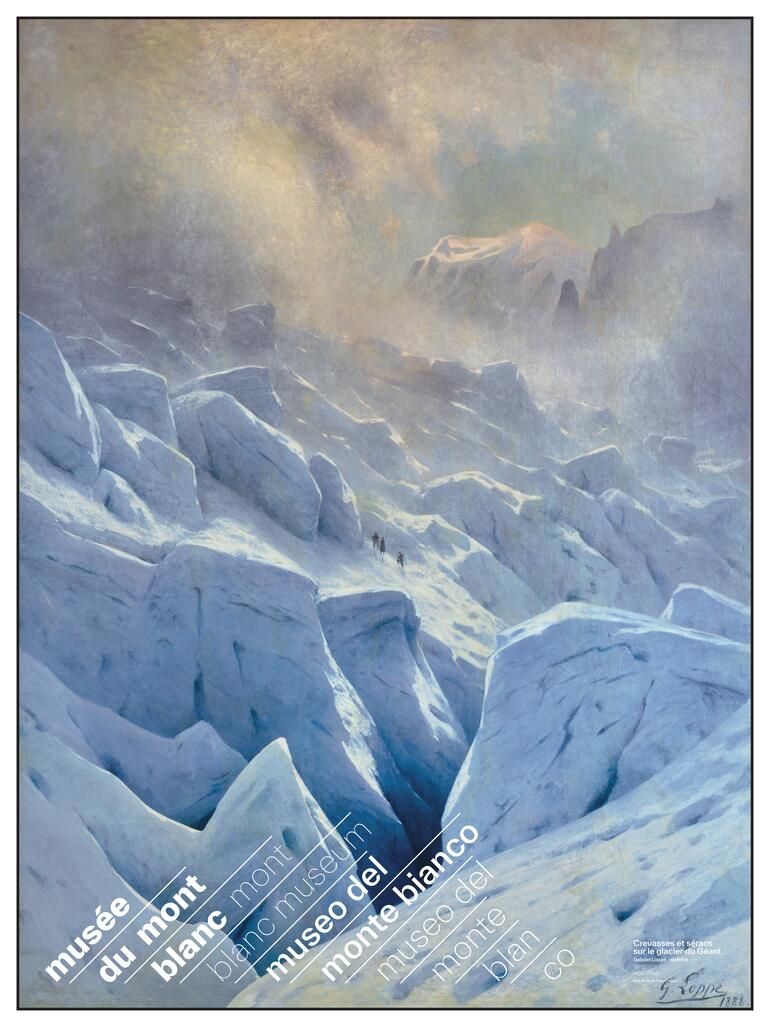
In conjunction with the cultural project, a temporary exhibition this fall will invite visitors to take a fresh look at the region, much like “Metamorphoses of the Gaze: The Magnified Alps,” which offers an artistic perspective on the transformations of the Mont Blanc landscape since the 18th century.
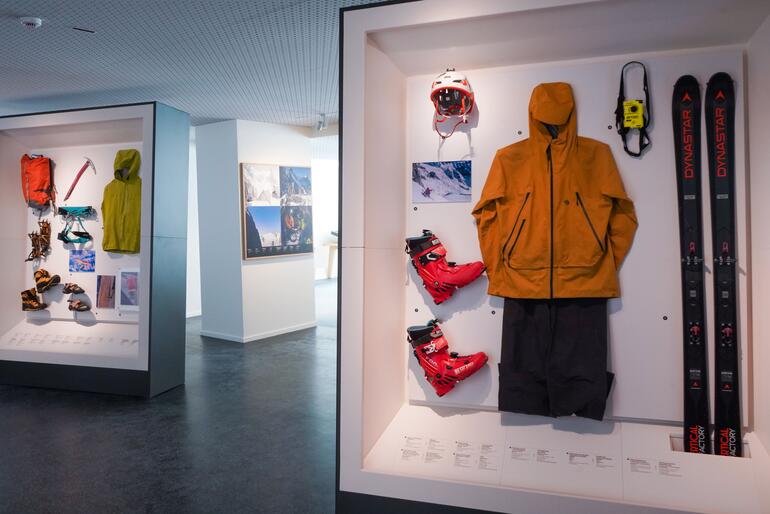
A bobsled from the 1930s, Jacques Balmat’s* walking stick (see below), a wooden turret from the Janssen Observatory built in 1893 at the summit of Mont Blanc, and a collection of ice axes that is highly symbolic of the valley…
These exhibits will allow visitors to discover or rediscover some 18,000 major pieces from the collections, as well as contemporary mountaineering equipment collected specifically for the museum’s reopening, objects related to the first Winter Olympics in 1924, and even an anamorphic image featuring the Périades hut.
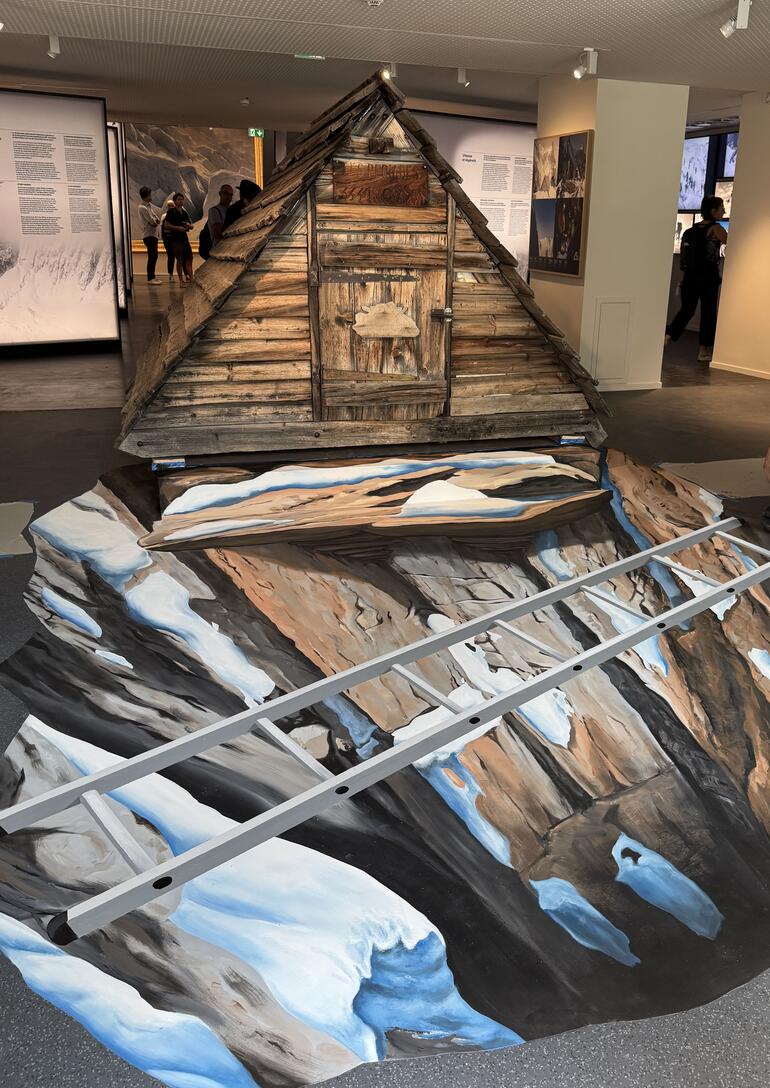
“Above all, we have completely reimagined the exhibition design with modern digital and multimedia features,”
explains Gabrielle Michaux, director of the museum network. “ We also wanted this educational museum to be forward-looking, with a section on the future that gives a voice to scientists working in the region and a time-lapse sequence that traces the valley’s history from the last ice age to the year 2100.”
This large-scale project* is expected to attract 30,000 to 40,000 visitors per year.
To bring this museum to life, the Tourist Office and the Chamonix-Mont-Blanc Valley Community of Municipalities have created a dedicated fund called “Vallée à Énergies positives.” The goal is to raise 1 million euros through corporate sponsorship within three years.
MILLET and LA BRASSERIE DU MONT BLANC have already joined the initiative.
* Cost: 8.6 million euros funded by the DRAC, the department, the European Union, the AURA Region, and the city of Chamonix-Mont-Blanc.
KEY DATES
1898: Founding of the Alpine and Mont Blanc Museum by collector Joseph Cusin-Berlincourt
1920: The collectionswere donated to the municipality of Chamonix
July 1926: Inauguration of the Alpine Museum within City Hall
1969: Reopening of the museum in the former Chamonix Palace by the Association of Friends of Old Chamonix
February 1, 2003: Awarded the designation “Musée de France”
September 20, 2021: Closure of the Alpine Museum for renovations
July 11, 2026: The Mont Blanc Museumopens to the public
DID YOU KNOW?
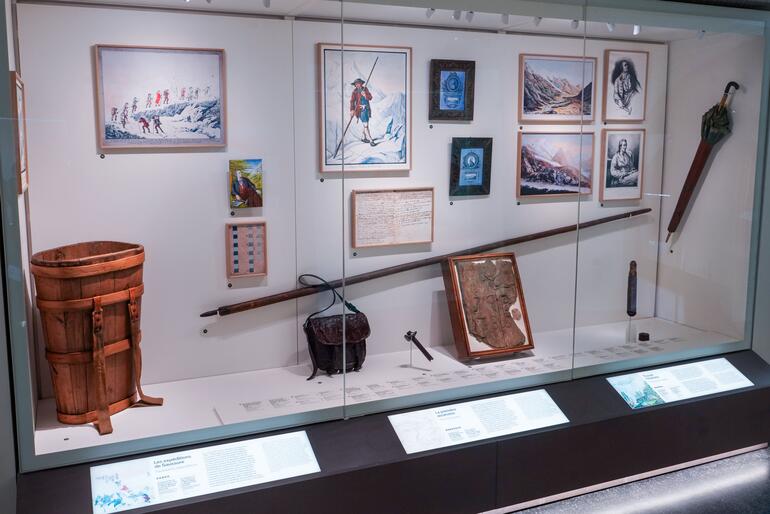
Auctioned off, traded, hidden, briefly reappeared, forgotten… The ice axe with which Jacques Balmat made the first ascent of Mont Blanc on August 8, 1786, disappeared for two centuries before being discovered by chance—complete with a certificate of authenticity—by Denis Pivot, a guide passionate about the history of mountaineering equipment.
Measuring 2.70 m long and weighing 1.7 kg, this priceless precursor to the ice axe is on display in the “Exploits” section of the new museum.
For more information: https://www.chamonix.com/planifier-mon-sejour/infos-et-services/espace-presse/la-rocambolesque-histoire-du-baton-de-jacques-balmat
View the Mont Blanc Museum’s press kit: